
High-Performance Epoxy Floor Coatings: Engineering Durability and Chemical Resistance
Industrial and commercial concrete floors endure severe mechanical wear, dynamic wheel loads, and aggressive chemical exposures on a daily basis. Unprotected concrete is inherently porous, prone to dusting, and susceptible to rapid degradation when attacked by oils, solvents, and cleaning agents. Utilizing engineered epoxy floor systems provides a seamless, high-strength protective barrier designed to optimize both structural longevity and aesthetic performance.
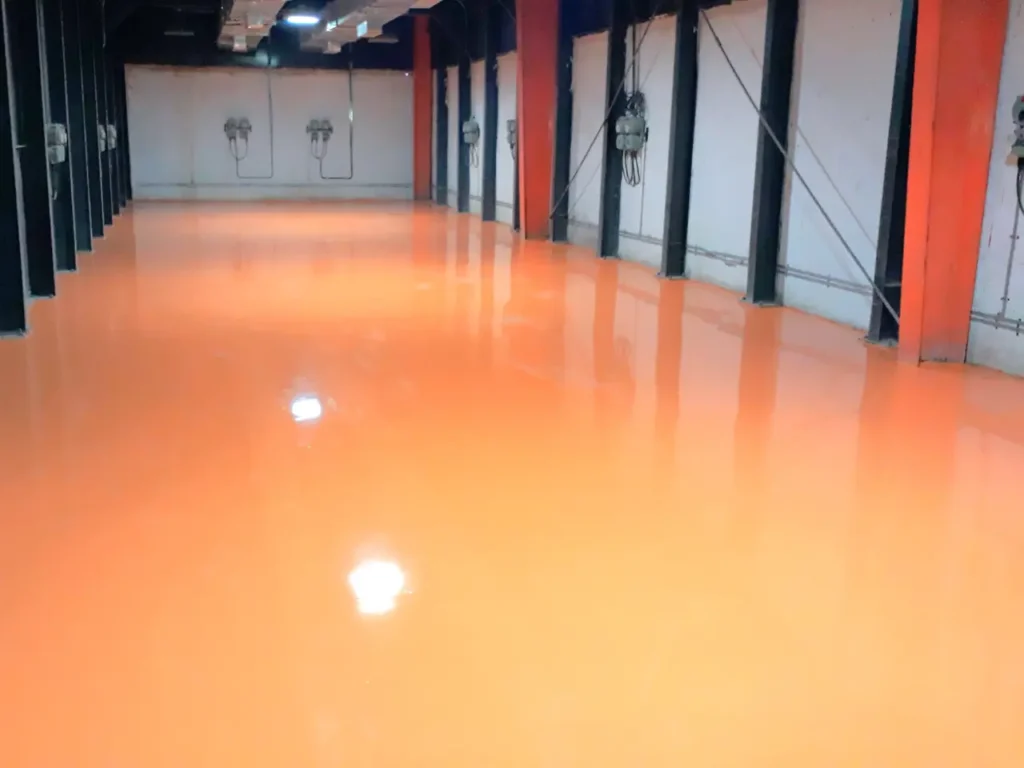
The Role of Epoxy Systems in Modern Industrial Facilities
Epoxy-based resin systems create a dense, cross-linked polymer matrix over concrete substrates. Unlike standard sealers, high-performance coatings transform ordinary slabs into heavily armored surfaces suitable for demanding environments such as:
Manufacturing Plants & Heavy Engineering Workshops: Resisting continuous fork-lift traffic and heavy mechanical impacts.
Warehouses & Logistics Centers: Eliminating surface dust and providing smooth, low-maintenance traffic lanes.
Pharmaceutical & Clean Rooms: Delivering seamless, non-porous profiles that prevent microbial growth and facilitate rigorous cleaning protocols.
Commercial Showrooms & Service Areas: Enhancing aesthetic appeal while protecting against oil and chemical spills.
Overview of Specialized Epoxy Formulations
Different operational environments demand specific resin characteristics. Advanced formulations within the FloorCoat EP portfolio address distinct industrial challenges:
FloorCoat EPW (Water-Dilutable, High-Build, ‘0’ VOC): Engineered for environmentally sensitive areas, green building projects, or enclosed spaces where solvent odors cannot be tolerated. It provides a high-build, two-component finish with zero volatile organic compounds while maintaining excellent film integrity.
FloorCoat NCR-51481 (Novolac Epoxy): Designed for extreme chemical containment. Novolac epoxy chemistry offers a higher cross-link density, making it the premier choice for areas exposed to concentrated acids, aggressive solvents, and severe chemical spillage.
FloorCoat CR-51402 (Chemical Resistant): A dedicated chemical-resistant coating tailored to protect concrete against moderate to heavy exposure of oils, fats, hydraulic fluids, and industrial chemical solutions.
FloorCoat HP (High-Performance General Coating): Balanced for high-traffic industrial applications where general wear resistance, surface hardness, and long-term durability are critical.
FloorCoat EP (Standard 2-Component System): A reliable, high-performance baseline coating that transforms rough concrete into a smooth, easy-to-clean, chemical-resistant surface.
Key Technical Advantages
Seamless & Hygienic Surface: Eliminates joints, grout lines, and cracks where bacteria, moisture, and dirt accumulate.
Enhanced Mechanical Strengths: Significantly increases surface impact and abrasion resistance compared to bare concrete.
Chemical Shielding: Prevents oils, chemicals, and corrosive liquids from penetrating the slab and compromising structural rebar.
Aesthetic Flexibility: Available in diverse color configurations to support facility demarcation, safety walkways, and clean visual standards.
Substrate Preparation & Application Best Practices
The success of any epoxy flooring system depends entirely on proper substrate preparation:
Surface Profiling: Concrete must be mechanically prepared (via shot-blasting or diamond grinding) to open pores and achieve an open texture (typically ICRI CSP-2 to CSP-4) for optimal mechanical keying.
Moisture Management: Slabs must be tested for moisture vapor emission rates (MVER) to prevent osmotic blistering or delamination of the epoxy barrier from beneath.
Priming: Application of a dedicated epoxy primer ensures deep penetration into the concrete substrate, maximizing bond strength before laying down high-build topcoats.